Screen Media Accessories

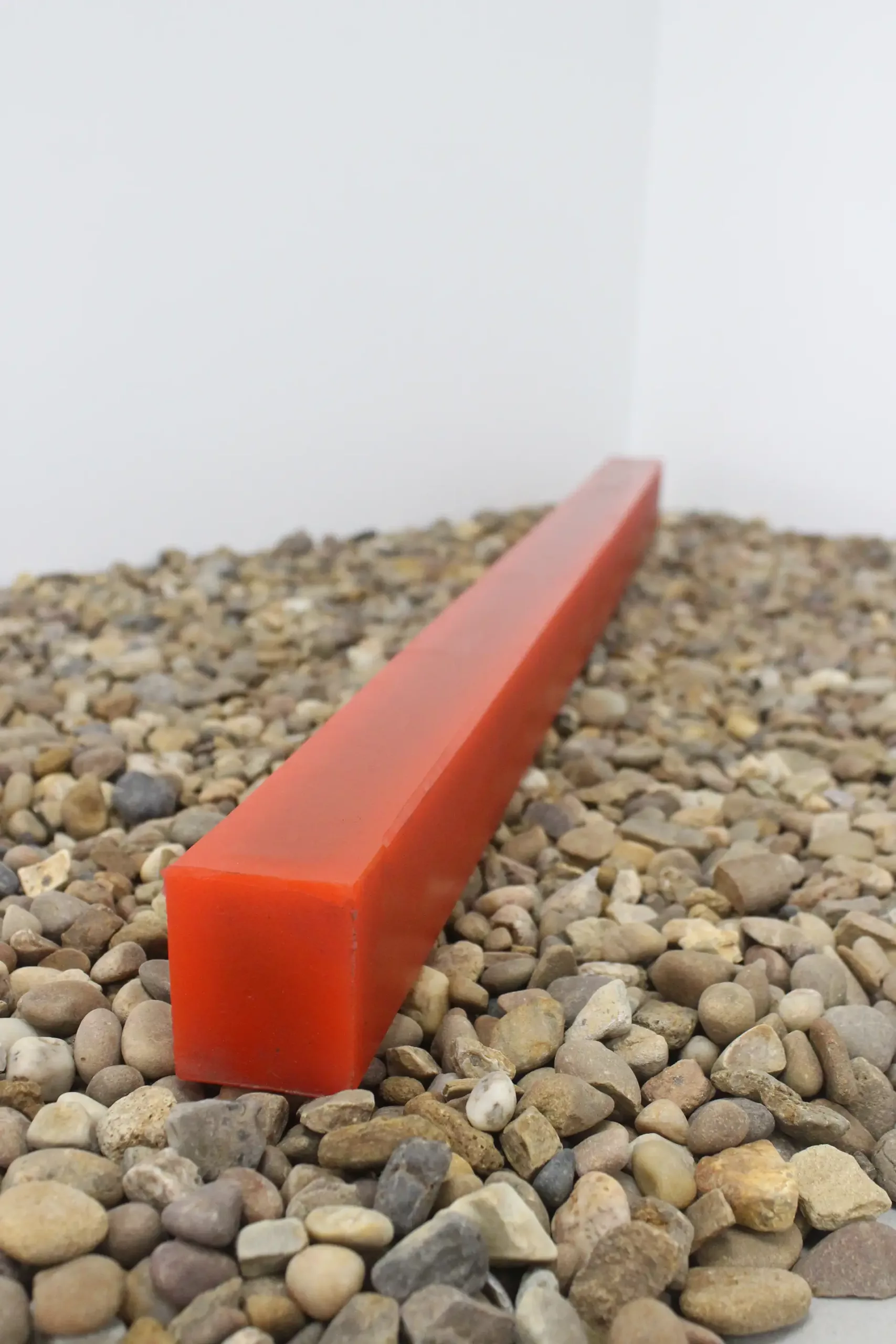
Wedging rubber is used to secure screen mats on systems such as Bivitec and Spaleck. It works by knocking the strip between the profiles of two mats, thereby wedging the mats in place. Wedging rubber helps reduce wear on the mats and deck structure. It is made from durable, abrasion resistant rubber, performing reliably under heavy loads or in wet and abrasive situations.

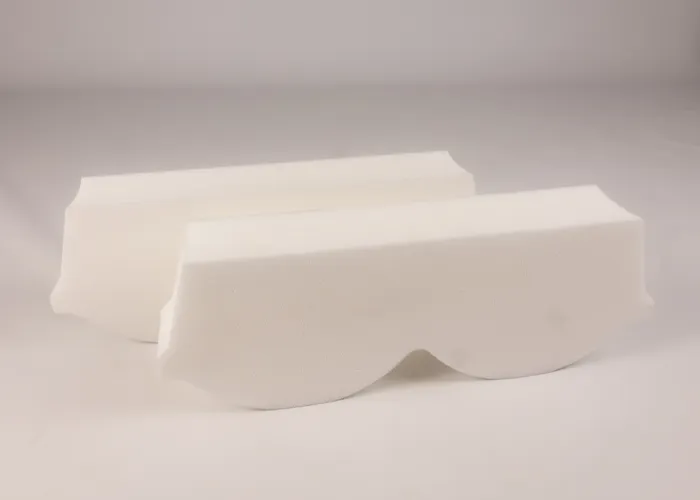
Sealing sponges play a critical role in Bivitec and Spaleck screening systems. They prevent material from leaking at the sides of the screen deck. This helps maintain screening efficiency and reduces material loss during operation.

How Sealing Sponges Work

The sponges sit along the edges of the screen, creating a tight barrier between the screen deck and the frame. They are easy to install and maintain, and improves screen efficiency.

For our range of Bivitec and Spaleck screens please follow this link.

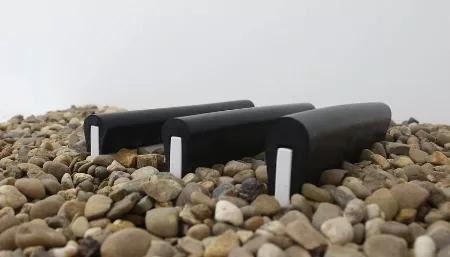
Polyurethane side bars come in various sizes, the most common size of side bar supplied by SCS is a 50mm wide and 60mm high bar, the length is varied to suit the screen length but normally a maximum of 1250mm long. There are twenty different width and height combinations of side bar that SCS supplies as standard and other can be made on request.

Side bars typically constructed from a steel plate or steel hollow section for strength and then polyurethane is moulded around all sides with attention paid to the thickness on the wear faces of bar.

Other more specialised side bars are available most commonly for the 85 system which have profiles moulded to them or are knocked into the 85 system girder are also available.

Please contact us on 01788 553300 for more information.

Polyurethane Wedges and metal cleats are used in conjunction with polyurethane or polyethylene side bars to clamp down screen media at each side of the screen.

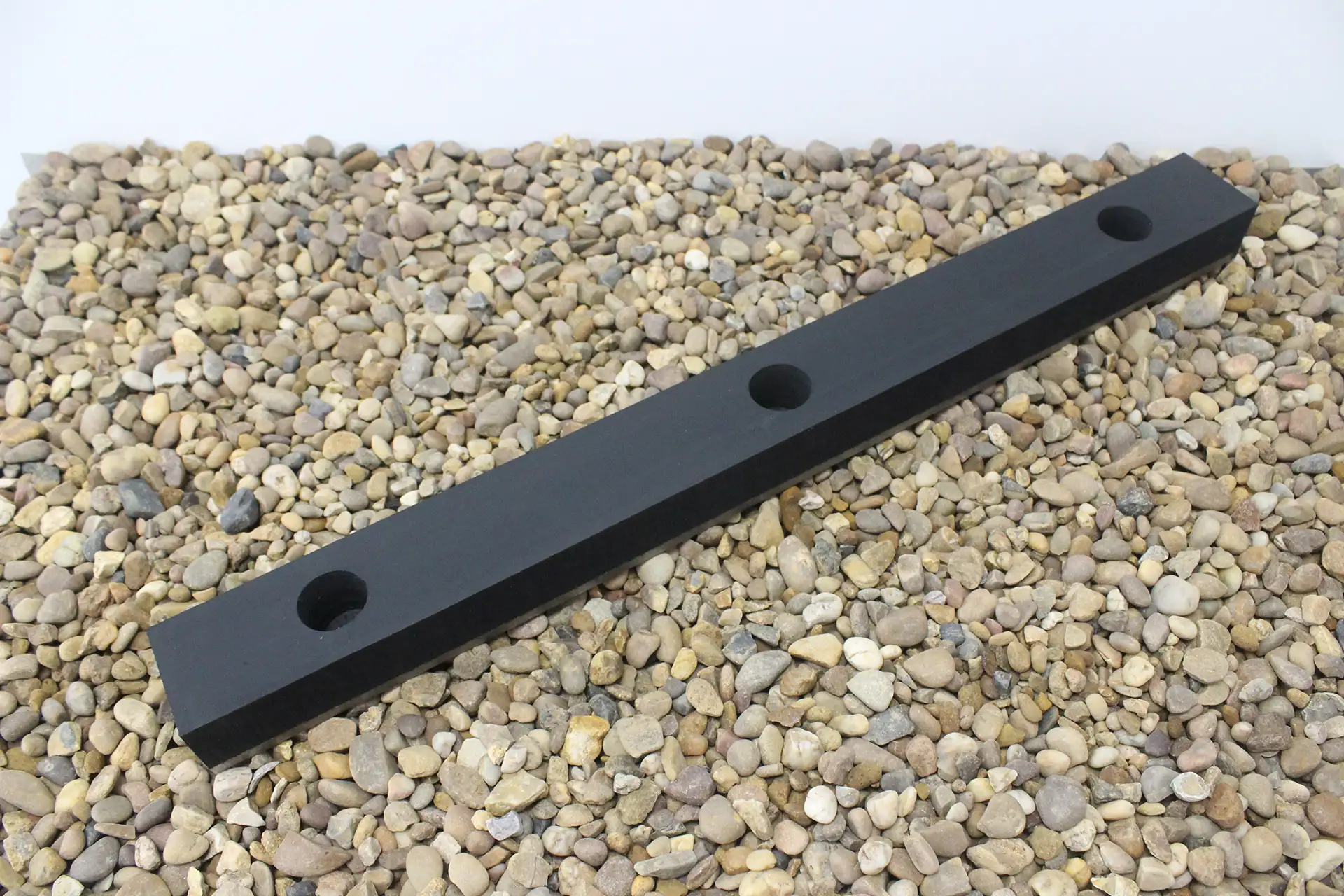
Rubber centre hold down bars are predominately used for clamping down the centre of tensionable screen media such as rubber screen cloths or polyurethane screen mats. They are made from a steel backed rubber bar that is 50mm thick overall with a 42mm thick layer of rubber and 8mm thick mild steel plate, this centre hold down bars are 75mm wide and the length is usually equal to length of the mat or cloth they are clamping down. The centre bars are drilled with fixing holes as required and cored to ensure there is enough clearance to get a socket of the right size onto the fixing size specified.

These knockin bars fit into the 85 System girder and allow the fitment of 85 System polyurethane modules. The filler strips are for use at the side of the screen to fit the standardised modules to any size screen.

Polyurethane centre hold down bars are normally used in conjunction with the SCS plank system or polyurethane tensionable screen mats but are not limited to these two applications. Centre bars are essentially a bar which clamps something down most commonly in the centre of a screen.  The SCS plank system has a centre bar with normally two or three holes in it that is used along with the pin and wedge clamping system to retain the centre of the module system, however this system can also be used on polyurethane tensionable mats or rubber screen cloths.

Another form of centre hold down is the bolt down version, which is when captive bolts are protruding up from the screen frame and the centre bar is used to bolt the screen media in place.

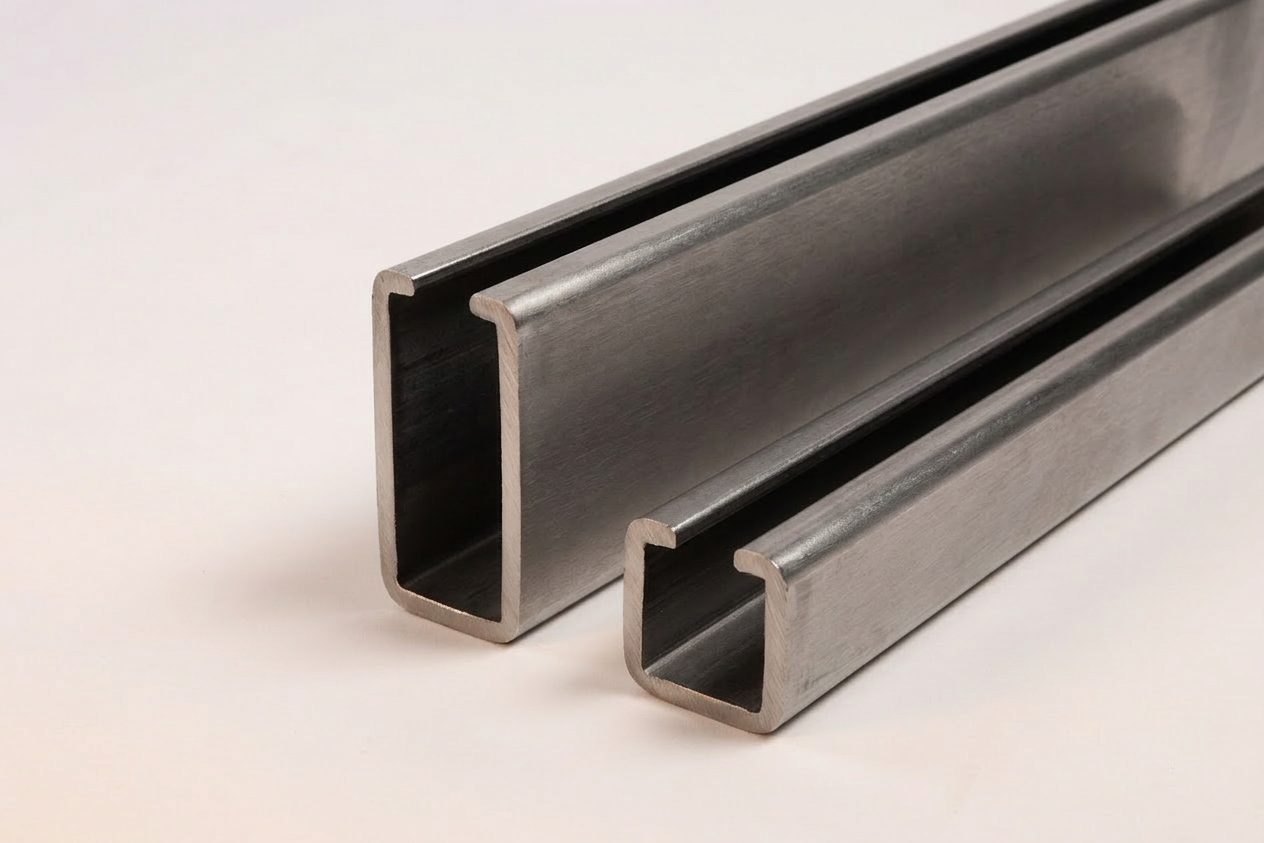
The SCS centre hold down is made from a steel channel section for strength and rigidity and then the wear resistant polyurethane is moulded around it to give the final product.

Please contact us on 01788 553300 for more information.

Slotted Pins, Metal Wedges, and Polyurethane Protection Caps work together to secure centre hold down bars over the Plank Modular System. The metal wedge is secured through the slotted pin with a hammer to lock the screen deck firmly in place. Strike the wedge in the against flow direction to release it and remove the centre bar. This allows two to four modules to be lifted out at once, thus improving maintenance efficiency and providing clear access to the deck below. Because the system uses a horizontal hammer strike, it suits screens with limited space in lower decks where vertical hammering is impractical or impossible.

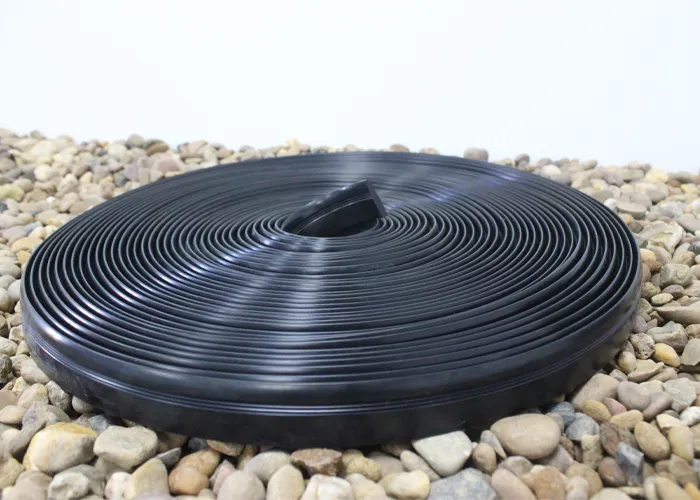
Capping rubber is mostly commonly fitted on camber bars for support under tensionable screen media. Capping rubber is also known as bucker up bar rubber, nosing rubber and many other names. SCS stocks over 4000m of capping rubber in 20m rolls, it comes in three size type 0, 1 and 2. Type 0 has a 10mm lift (cap), Type 1 a 15mm lift and Type 2 a 20mm lift.

The 85 System girder is the basis of the 85 system and is welded or bolted down the length of the screen, usually at 300mm centres, to facilitate the fitting of 85 System screen media. This girder comes in 40mm high or 80mm high variants.

Dam bars are used to hold up material on the screen to prevent material carrying over and diverters are used to divert material while on the screen. For example, to more evenly spread the material in case of an uneven feed, or to avoid tracking of material if the screen has long blank areas.

Polyurethane dam bars come in two sizes for the SCS plank system the most common size of dam bar is 30mm high and the other is 75mm high. The dam bar is designed in such a way that it sits down in the modular system between two modules and is held in place by the side and centre bars.

SCS supplies side tensioning clamps for use with tensionable screen media such as woven wire, rubber screen cloths and polyurethane screen mats. SCS can supply side tension clamps to a standard or bespoke specific profile depending on the requirement. Most side tension clamps have square fixing holes punched in them for use with M16 or M20 screen bolts.

The side tension clamps can be supplied as plain metal, rubber covered or polyurethane covered, this is dependent on the application and customer preference.

Steel backed liners offer several advantages over conventional sheet material linings. The steel plate gives the liners rigidity, allowing them to be manufactured in smaller sections. This improves manual handling and enables replacement of specific wear areas.

Additionally, installation does not require specialist labour. When using standard tile linings, spare parts are easy to stock and can be replaced quickly as required.

Steel Backed Rubber Liners

Genuine steel backed rubber liners consist of durable, wear resistant rubber that is hot vulcanised to a steel plate. The rubber has a 60 shore hardness rating for long service life.

Furthermore, these liners are available in two forms:

  • Square tiles: 300mm or 330mm per side
  • Bespoke liners: Cut and drilled from stock sheets measuring 2m x 1m

Stock sheets come in thicknesses of 15+3 mm, 25+5 mm, and 45+5 mm (rubber thickness + steel thickness). In addition, tiles are available in 25+5 mm and 45+5 mm thicknesses.

For larger or heavier duty applications, thicker steel backed rubber liners can be made to special order, depending on quantity and lead time.

Bonded Steel Backed

Bonded steel backed liners combine rubber and steel using a cold bonding method. Manufacturers use this method when specific rubber or steel thicknesses are required. They also use it when the liner size cannot be made from stock sheets.

Steel Backed Polyurethane

Steel backed polyurethane liners are fully custom made. SCS can produce them as square tiles or large sheets, depending on the application. This flexibility allows them to meet unique or heavy-duty screening requirements.

Please contact us on 01788 553300 or sales@scsrugby.co.uk for more information. SCS also manufacture Rubber Sheeting and Low Friction Linings.